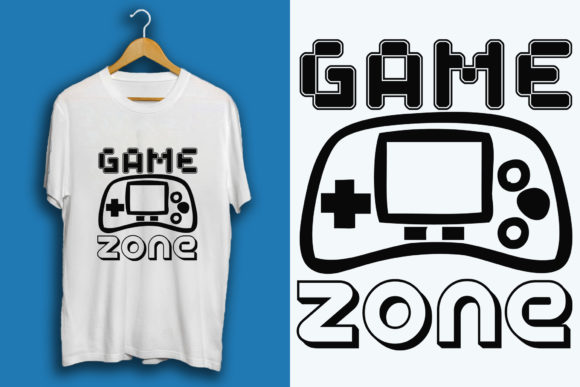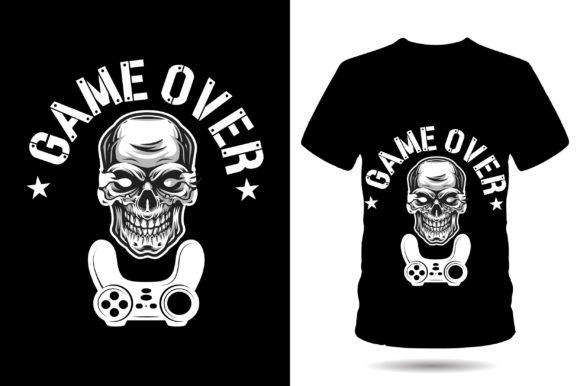
Game Over Gaming Gamer T-Shirt Design Review
As a designer who has spent countless hours staring at digitized files and watching needles dance across fabric, I have learned to look past the initial flash of a graphic. When I first loaded the Game over Gaming Gamer Tshirt Design into my preview software, I was not just looking for a cool image. I was looking for stitchability, clarity, and commercial viability. In the world of custom apparel and handmade goods, a design is only as good as its final stitched result. This review breaks down how this specific graphic translates from a digital asset into a tangible, high-quality embroidered product.
First Impressions and Visual Mood
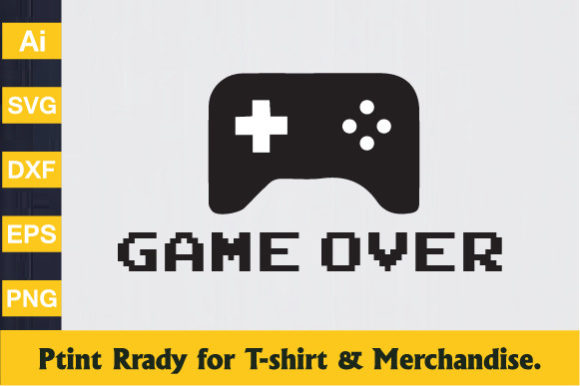
The immediate vibe of this design is nostalgic yet modern. It taps directly into the gaming culture aesthetic, which remains a massive market for personalized gifts and custom apparel. The layout appears balanced, with a clear focal point that draws the eye. For an embroidery designer, this is crucial. If a design is too cluttered, the machine struggles to define edges, resulting in a muddy finished product. Here, the shapes seem distinct enough to allow for clean satin stitches or well-defined fill stitches, depending on how the file is actually digitized.
The mood is playful but bold. It does not whisper; it announces itself. This makes it an excellent candidate for items meant to be seen, such as the back of a hoodie or the front of a tote bag. However, the "game over" theme suggests a finality or a humorous defeat, which adds a layer of personality that customers love. It is not just a logo; it is a statement piece.
Real-World Application: The Sweatshirt Test
To truly evaluate a design, you must imagine it on a specific product. I recently considered this design for a custom order involving a heavy-weight cotton sweatshirt. The client wanted a gift for her brother, an avid gamer who had just completed a difficult marathon stream. The Game over Gaming Gamer Tshirt Design fit the narrative perfectly.
On a thick fabric like fleece or French terry, the design needs to hold its own against the texture. Thin lines can get lost in the pile, and dense areas can cause puckering if not properly stabilized. In this scenario, the bold nature of the graphics works in our favor. The larger elements of the design would likely utilize fill stitches, providing solid coverage that stands out against the textured background. Smaller details, if present, would need careful attention to ensure they do not sink into the fabric.
This same logic applies to a tote bag design. Canvas is sturdy, but it has a weave that can interfere with small details. A design with strong, clear outlines performs best here. If this graphic relies heavily on tiny text or intricate shading, it might struggle on rough canvas. However, if the primary elements are blocky and graphic, it will stitch out cleanly, creating a durable and stylish accessory for carrying gaming consoles or books.
Technical Considerations for Stitching
Before running any job, we must discuss the technical realities of turning a T-Shirt Design into an embroidery file. Not all graphics are created equal for embroidery. While this product is listed under Graphics, its success depends entirely on the underlying digitization.
- Stitch Density: Check the density carefully. High-density fills on stretchy fabrics like jersey knits can cause distortion. If the design is intended for t-shirts, ensure the digitizer has used appropriate underlay stitches to stabilize the fabric without making the patch stiff.
- Thread Colors: Gaming aesthetics often involve neon greens, electric blues, or stark blacks and whites. Ensure your thread chart matches the vibrancy of the original graphic. A dull green will kill the energy of a "game over" screen vibe.
- Hoop Size: Confirm the dimensions. A design that looks great on a 5x7 hoop might be too large for a cap or too small for a blanket. Always check the actual inch measurements provided in the file details.
- Small Details: Look for tiny text or thin lines. In embroidery, anything smaller than 0.1 inches can be problematic. If the design includes small lettering, consider whether it needs to be simplified or removed for smaller applications like baby clothes or patches.
Navigating Fabric and Surface Challenges
Where you place the Game over Gaming Gamer Tshirt Design matters as much as the design itself. On curved surfaces like caps, the center of the design must align perfectly with the curve to avoid visual distortion. A wide, horizontal design might wrap awkwardly around a baseball cap, whereas a more compact version would sit neatly on the front panel.
For dark fabrics, the contrast is key. If the design uses light colors, ensure there is a proper underlay or backing to prevent the dark fabric from showing through the stitches. Conversely, on light fabrics, dense dark stitches can cause shadowing. Testing on scrap fabric is non-negotiable. I always run a test stitch-out on the same material type I plan to use for the final handmade product. This reveals issues with tension, thread breaks, or registration errors before they ruin a customer's garment.
Commercial Viability and Brand Consistency
For Etsy sellers and craft business owners, this design offers a niche appeal. Gaming merchandise is evergreen, but it is also competitive. To stand out, the quality of the embroidery must be impeccable. A poorly stitched "Game Over" screen looks like a mistake rather than a joke. Clean edges, consistent tension, and vibrant threads build customer trust.
This design fits well into a broader collection of design assets for a shop specializing in geek culture or personalized gifts. It pairs well with other gaming-related motifs, creating a cohesive brand identity. When used in printable mockups for online listings, ensure the digital representation matches the realistic texture of the stitched item. Misleading previews lead to returns and negative reviews.
Final Verdict and Practical Advice
The Game over Gaming Gamer Tshirt Design has strong potential for various embroidery projects, from holiday gifts for teens to boutique merchandise for gaming cafes. Its success lies in the execution. As a reviewer, I recommend treating this as a versatile graphic that requires thoughtful adaptation to the medium.
- Check the License: The product description mentions buying digital files for yourself, friends, and family. It does not explicitly state commercial licensing terms. Before selling finished items or using this in a commercial embroidery context, contact the seller to confirm you have the right to sell products made with this design.
- Test on Multiple Fabrics: Try it on a t-shirt, a towel, and a patch. See how the stitch density interacts with each material.
- Simplify if Necessary: If the original graphic is complex, consider simplifying the digitization for smaller hoops or delicate fabrics.
- Focus on Presentation: Use high-quality thread and proper stabilizer. The difference between a hobbyist look and a professional finished product is often in the finishing touches.
In conclusion, this design is a solid choice for those looking to add a fun, thematic element to their embroidery portfolio. With careful attention to technical details and licensing, it can become a bestseller in your small shop product lineup. Remember, the machine does the stitching, but the designer makes the decisions. Choose wisely, stitch carefully, and let the game begin.